What is Frozen Strawberry Benefits and Uses for Global Buyers?
Frozen strawberries have gained significant attention in the global market due to their nutritional benefits and versatile uses. According to a recent report by Allied Market Research, the global frozen fruits market was valued at $21 billion in 2022 and is projected to reach $40 billion by 2030. This growth highlights the increasing demand for frozen strawberries among consumers who prioritize health and convenience.
Dr. Emily Renfield, a food industry expert, noted, “Frozen strawberries offer an accessible way to enjoy year-round nutritional benefits.” This statement reflects the trend of consumers seeking fresh flavors regardless of seasonality. With rich vitamins C and K, frozen strawberries boost immune health and skin vitality, making them a popular choice for smoothies and desserts.
However, not all frozen strawberries are created equal. Quality can vary based on sourcing and freezing processes. Buyers must consider factors like packaging and storage to ensure the product maintains its flavor and nutrients. An awareness of these factors will empower buyers in making informed decisions about purchasing frozen strawberries for their needs.
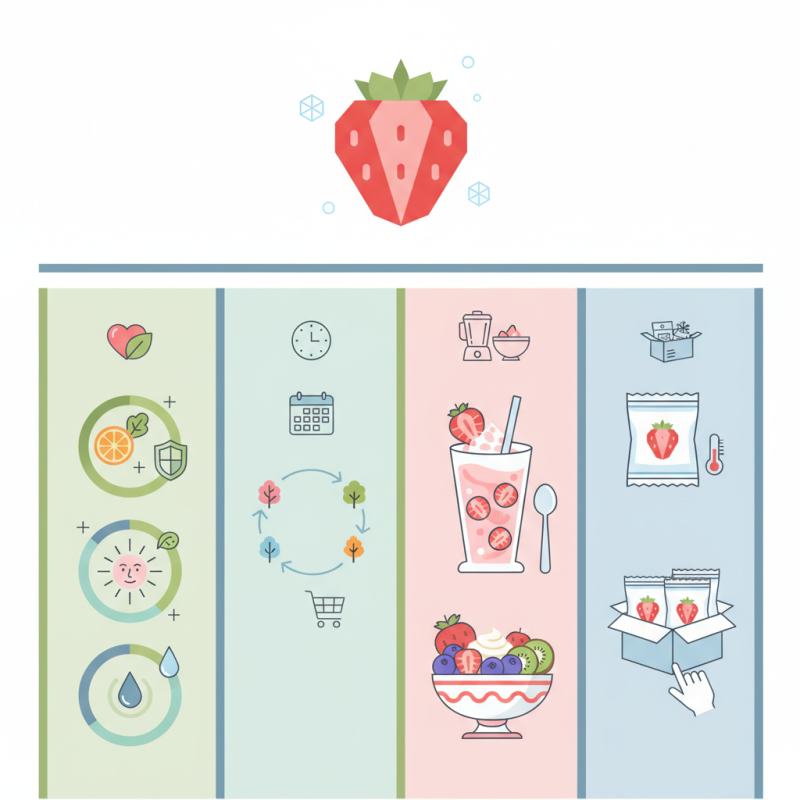
Benefits of Frozen Strawberries for Health and Nutrition
Frozen strawberries are popular for their health benefits and nutritional value. They contain high levels of vitamin C, which helps boost the immune system. A recent study published in the "Journal of Nutritional Science" found that consuming vitamin C-rich foods can reduce the risk of chronic diseases by 24%. This makes frozen strawberries an excellent choice for maintaining good health.
In addition to vitamin C, frozen strawberries are rich in antioxidants. These compounds combat oxidative stress and may reduce inflammation in the body. According to the USDA, strawberries rank among the top fruits for antioxidant capacity. Their versatility also allows for easy inclusion in smoothies, desserts, or as toppings on yogurt. However, some frozen varieties may lose texture, making them less desirable for certain dishes.
Dietary fiber is another key benefit. Just one cup of frozen strawberries provides about 3 grams of fiber. A high-fiber diet supports digestive health and may help control cholesterol levels. Interestingly, while the frozen form retains much of the nutritional content, it's essential to check for added sugars. This awareness is crucial for those monitoring their sugar intake. If you desire a healthy lifestyle, incorporating frozen strawberries can be a delicious strategy.
Health Benefits of Frozen Strawberries
Culinary Uses of Frozen Strawberries in Various Recipes
Frozen strawberries are versatile in the kitchen. They can elevate many dishes. For smoothies, a common use, they provide a vibrant color and refreshing taste. According to the USDA, strawberries are low in calories, containing about 32 calories per 100 grams. This makes them a popular choice for health-conscious consumers.
In baking, frozen strawberries shine in pies and cobblers. Their natural sweetness and acidity balance well with rich desserts. A study in the Journal of Food Science noted that frozen strawberries retain their nutrients. This retention makes them valuable for year-round baking. A simple recipe can include mixing with flour and sugar for a delightful filling.
When making sauces or jams, frozen strawberries contribute rich flavors. They break down easily, creating a smooth consistency. Additionally, using them in savory dishes, like salads, adds unexpected complexity. While frozen fruits can vary in texture compared to fresh ones, they still offer great taste and nutrients. It’s essential to understand these nuances when incorporating frozen strawberries in various recipes.
Nutritional Comparison: Frozen Strawberries vs. Fresh Strawberries
Frozen strawberries are a convenient alternative to fresh ones, offering a range of nutritional benefits. Studies show that both varieties provide essential vitamins, but their nutritional profiles can differ. For instance, frozen strawberries often have slightly lower vitamin C content due to the freezing process. However, research by the USDA indicates that frozen berries still retain up to 90% of their nutrients when frozen at peak ripeness.
It's important to note that fresh strawberries may lose some nutrients over time if not consumed quickly after harvest. In contrast, frozen strawberries are picked and frozen at their peak, preserving more antioxidants and fiber. A study from the Journal of Food Science highlights that frozen strawberries can have higher levels of certain phytonutrients compared to their fresh counterparts that have been stored for days.
Tip: To maximize the health benefits, incorporate both fresh and frozen strawberries into your diet. They are great in smoothies, oatmeal, or as a snack. While fresh strawberries offer a delightful flavor, frozen ones can be more versatile and have a longer shelf life. Always consider the source of your strawberries, as nutritional quality can vary based on growing conditions.
What is Frozen Strawberry Benefits and Uses for Global Buyers? - Nutritional Comparison: Frozen Strawberries vs. Fresh Strawberries
| Nutritional Component | Frozen Strawberries (per 100g) | Fresh Strawberries (per 100g) |
| Calories | 50 | 32 |
| Carbohydrates (g) | 12 | 7.68 |
| Fiber (g) | 2 | 2 |
| Sugars (g) | 7 | 4.89 |
| Vitamin C (% Daily Value) | 98% | 97% |
| Antioxidants | High | High |
| Uses | Smoothies, Desserts, Sauces | Fresh Eating, Salads, Desserts |
Storage and Preservation Techniques for Frozen Strawberries
Storing frozen strawberries correctly is essential for maintaining their quality and flavor. When buying frozen strawberries, check the packaging date. Always choose bags that are sealed properly. This prevents air and moisture from entering. Exposure to air can lead to freezer burn, which alters texture and taste.
For best results, keep frozen strawberries at a consistent temperature. A temperature of 0°F (-18°C) is ideal for preserving freshness. Avoid frequent thawing and refreezing. This can degrade the fruit's quality over time. Instead, take out only what you need. If you notice ice crystals forming inside the bag, it may indicate a loss of quality.
Consider storing strawberries in airtight containers for added protection. Glass or heavy-duty plastic containers can work well. Remember to label your containers with the date to track freshness. Over time, frozen strawberries may lose nutrients. Using them within six months is ideal to ensure flavor and health benefits.
Market Trends and Consumer Preferences for Frozen Strawberries Globally
The global market for frozen strawberries has shown significant growth. Health-conscious consumers increasingly prefer frozen fruits for their nutritional value. These strawberries retain vitamins and antioxidants, making them a staple in many households. The preference for convenient and versatile food options continues to rise.
In North America and Europe, smoothies and desserts are popular uses for frozen strawberries. Many restaurants now incorporate them in salads and sauces. However, some buyers express concerns about the quality of frozen fruits. They worry about texture and taste compared to fresh options. Educating consumers about proper storage and thawing methods can alleviate these issues.
Market trends indicate a shift toward sustainable sourcing. Many buyers seek ethically produced frozen strawberries. They want assurance that their choices support environmentally friendly practices. Additionally, a growing demand for organic options is evident. Addressing these consumer preferences can help grow the industry further.