How to Choose the Right Plywood for Your Project?
Choosing the right Plywood for your project is crucial. Plywood is an essential material in construction and woodworking. In 2021, the global plywood market was valued at approximately $60 billion. This figure is expected to grow steadily, driven by rising demand in various sectors. Understanding the types of plywood, their applications, and quality indicators is key for any builder or craftsman.
The versatility of plywood makes it popular for furniture, flooring, and structural solutions. For example, birch plywood is favored for its strength and fine grain, while marine-grade plywood is essential for water-resistant applications. Yet, not all plywood fulfills these needs equally. A common pitfall is overlooking the grade and thickness during selection. This can impact durability and finish, leading to costly mistakes.
It's imperative to consider aspects like formaldehyde emissions and sourcing sustainability. Selecting plywood that is certified, such as by the Forest Stewardship Council (FSC), not only promotes responsible forestry practices but also enhances indoor air quality. By making informed choices, you can ensure your project stands the test of time.
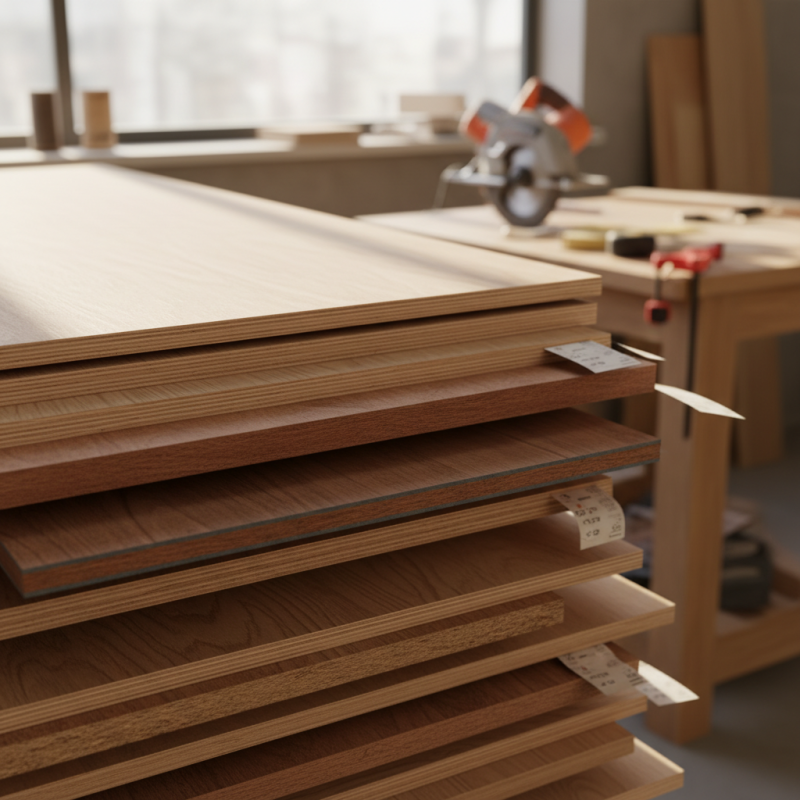
Types of Plywood and Their Common Uses
When selecting plywood for your project, understanding the different types is crucial. One common type is hardwood plywood. It's made from layers of hardwood, providing durability and strength. This plywood is ideal for furniture and cabinetry. Its smooth surface enhances the appearance of finished products.
Softwood plywood is another widely used option. It's constructed from softwood species like pine and fir. This type is perfect for constructing frames, sheds, and subfloors. Softwood plywood is lightweight, making it easier to handle. However, it might not hold up as well in high-moisture areas.
There’s also plywood designed for specific applications. Marine plywood is treated to resist moisture and can withstand water exposure. It's commonly used in boat building and outdoor projects requiring waterproof materials. The unique qualities of each plywood type can impact your outcome. If unsure, consult experts or conduct tests to see what meets your project needs best.
Factors to Consider When Selecting Plywood
When selecting plywood for your project, several factors demand your attention. The type of plywood is crucial. There are different grades, such as A, B, C, and D, each with varying levels of quality. For projects that require a flawless finish, opt for higher-grade plywood. Lower grades may have knots and imperfections, which might affect the final look.
Thickness also matters. Plywood typically ranges from 1/8 inch to 3/4 inch. Your project’s purpose dictates the thickness you'll need. For structural integrity, thicker sheets are preferable. However, using too thick a panel in small crafts can lead to unnecessary weight.
Consider the environment where the plywood will be used. Moisture resistance is vital for outdoor projects. Interior projects may allow for standard grades. Always remember that not every type may suit your needs. Analyzing your personal project requirements can often lead to unexpected realizations about plywood characteristics.
Understanding Plywood Grades and Quality
Understanding plywood grades is essential for selecting materials for your project. Plywood is classified into several grades, ranging from A to D, with A being the highest quality. Grade A plywood has a smooth surface, free of knots or defects. Conversely, Grade D may have significant blemishes and repairs. This grading directly influences strength, durability, and aesthetics.
The American Plywood Association (APA) reports that the grade also affects price. For example, higher-grade plywood can cost up to 40% more than lower grades. This means choosing the right grade can impact your budget. While A-grade plywood is ideal for visible applications, C or D grades could suffice for structural supports hidden from view.
It's important to consider your project's purpose. A beautiful finish or a sturdy foundation can make a significant difference. Yet, lower grades might seem appealing due to lower costs. However, they might require more treatment and time. Evaluate your needs carefully. High grades may offer fewer imperfections, but are they truly necessary for your task? This reflects the balance between aesthetics and functionality.
How to Evaluate Plywood for Durability and Strength
When selecting plywood for your project, understanding durability and strength is crucial. Various plywood types differ in how they perform under stress. The most durable plywood often features a thicker veneer and multi-layer construction. This minimizes warping and enhances resistance to impacts. Consider the core type as well; void-free cores typically offer better strength.
Examine the plywood’s grade. Higher grades usually align with better strength and durability, but they can vary. Don't overlook defects such as knots or splits, which compromise performance. Evaluate whether the intended use requires waterproof or moisture-resistant plywood, especially for outdoor projects. Everyday wear and tear can expose weaknesses.
While it may seem straightforward, selecting plywood can be tricky. The right choice often depends on specific project needs. It’s useful to consult with professionals or review credible sources to gather insights. Balancing strength with cost is vital. A cheaper option might tempt you, but it could lead to future repairs, negating your savings. Always weigh your choices carefully.
Tips for Sourcing Plywood at the Best Price
When sourcing plywood for your project, knowing where to buy is crucial. Start by researching local suppliers and lumberyards. They often have a better selection than larger chains. Visiting these places lets you inspect the plywood quality firsthand. Also, engaging with knowledgeable staff can provide insights. They may suggest alternatives you hadn’t considered.
Consider checking online marketplaces for competitive pricing. However, be cautious about quality. Examine reviews and ratings from previous customers. It’s essential to ensure the product meets your expectations. Sometimes, the savings may come at a cost. You might receive plywood with defects that aren’t visible in photos.
Keep an eye out for seasonal sales or bulk discounts. Building relationships with suppliers can also lead to better deals. Often, they appreciate repeat customers and will offer discounts. Remember that pricing can vary significantly between types of plywood. Take your time to compare options before making a decision. Making impulsive choices may lead to regrets down the line.