Discover the Best Food Tin Cans for Global Sourcing Needs?
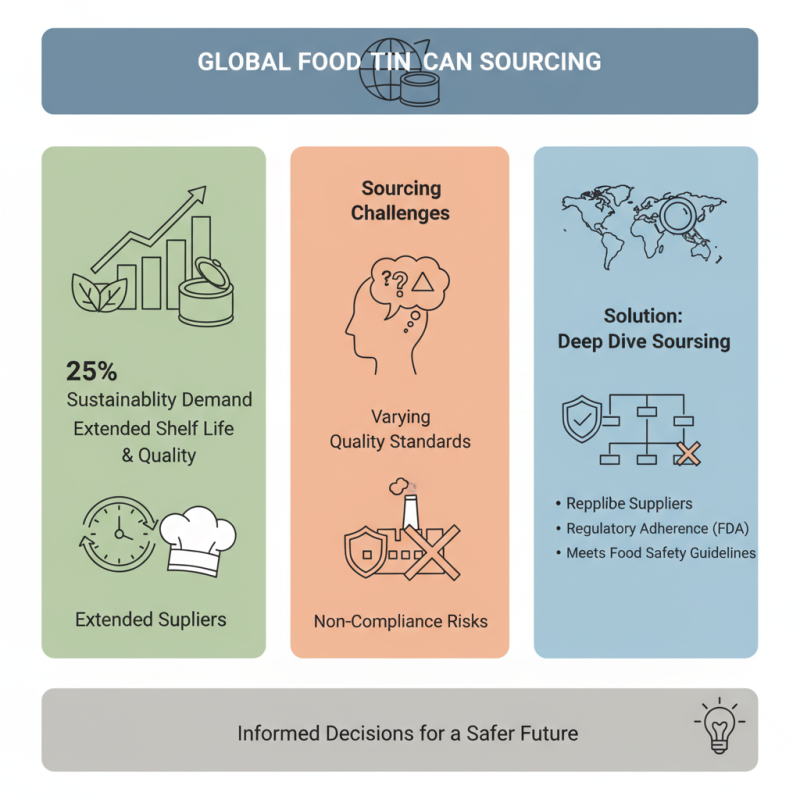
The search for optimal Food Tin Cans for global sourcing has become increasingly critical in the food industry. Recent reports from the Food Packaging Institute indicate that the demand for sustainable packaging is expected to surge by 25% over the next five years. These findings highlight the importance of selecting high-quality food tin cans to ensure product safety and sustainability.
Expert Dr. Julia Hartman, a leading authority in food packaging technology, emphasizes, "Using efficient Food Tin Cans can significantly extend shelf life and maintain food quality." This perspective underscores the necessity for sourcing reliable packaging solutions that meet both consumer expectations and regulatory standards.
However, companies often struggle with sourcing challenges. The global market is filled with varying quality standards, making it hard to identify genuine suppliers. Additionally, some tin cans may not meet FDA guidelines, putting products at risk. These issues point to a need for deeper examination and reflection within the sourcing strategies of food manufacturers.
Understanding the Global Food Tin Can Market Dynamics and Trends
The global food tin can market has been evolving rapidly. According to market research, the global food packaging market was valued at approximately $300 billion in 2022. Tin cans hold a significant share of this, driven by their durability and recyclability. The trend towards environmentally friendly packaging solutions is pushing the industry forward. With sustainable practices becoming a focus, companies must adapt their sourcing strategies accordingly.
Tips: Keep an eye on emerging markets. Countries in Asia and Africa are rapidly increasing tin can usage. Understanding regional preferences can enhance sourcing strategies.
Market dynamics indicate a shift towards lightweight packaging. Research shows that reducing can weight by 10% can lower shipping costs significantly. However, balancing durability and cost is crucial. Too lightweight may risk product protection.
Tips: Conduct regular quality assessments. Evaluating supplier reliability is essential for maintaining product standards. Investing in solid supplier relationships can lead to long-term benefits.
Key Factors Driving Demand for Food Tin Cans in Various Industries
The demand for food tin cans is on the rise across multiple industries. According to a report by Grand View Research, the global food can market size was valued at approximately $32 billion in 2021. This figure is projected to grow, primarily driven by increased consumer preference for packaged foods. Convenience is key. Many consumers seek ready-to-eat meals, a trend that significantly boosts tin can usage.
Another factor is the focus on sustainability. Major studies indicate that approximately 70% of consumers favor eco-friendly packaging. Food tin cans are recyclable, reducing environmental impact. A report from the Food and Agriculture Organization of the United Nations suggests that efficient packaging, including tin cans, can help minimize food waste. This is crucial, as roughly 1.3 billion tons of food are wasted annually.
However, challenges remain. Not all tin cans are equal. Some may contain harmful coatings, raising health concerns. Additionally, supply chain complexities can hinder sourcing. While the demand is strong, ensuring product safety and quality is essential. Quality assurance processes often lag in some regions. Such issues need addressing to fully realize the potential of food tin cans in global markets.
Discover the Best Food Tin Cans for Global Sourcing Needs
| Dimension | Description | Industry Application | Market Demand Factor |
| Size 1 (200g) | Small food cans for snacks and sauces | Retail and Convenience | Growing snack market |
| Size 2 (400g) | Medium food cans for soups and vegetables | Food Service and Retail | Increase in home cooking |
| Size 3 (800g) | Large food cans for bulk items | Catering and Food Service | Expansion in food services |
| Size 4 (1kg) | Extra-large cans for industrial use | Manufacturing and Distribution | Growth in food production |
Comparative Analysis of Top Food Tin Can Manufacturers Worldwide
When exploring food tin can manufacturing, a comparative analysis is vital. Numerous manufacturers offer unique materials and technologies. This variety can impact product safety, shelf life, and taste preservation. Evaluating such differences is crucial for global sourcing decisions. While many companies claim high quality, actual performance can vary.
Some manufacturers focus on eco-friendly processes. While this approach is commendable, it's essential to assess if it compromises durability. Others boast cutting-edge technology but may lack experience in the field. The balance between innovation and reliability can't be overlooked.
Reviewing customer feedback can reveal strengths and weaknesses in different products. Frequently, companies with less marketing presence provide surprisingly better quality. Engaging with industry experts can guide choices. However, it's important to remain critical and not take every claim at face value. An informed approach leads to more reliable sourcing decisions.
Innovation in Food Tin Can Design: Sustainability and Functionality
The food tin can industry is experiencing a transformation. A focus on sustainability and functionality is driving innovation today. Manufacturers are exploring eco-friendly materials that reduce environmental impact while enhancing product durability. Perfecting the balance between design and practicality is vital. Consumers are increasingly demanding cans that preserve freshness without harmful chemicals.
Aesthetics matter. Unique designs make products stand out on shelves. However, functionality often takes precedence. Cans must be easy to open, resealable, and stackable. Innovations such as easy-pour spouts and multi-compartment cans cater to modern consumers. Yet, some designs may overlook the needs of the elderly or those with disabilities. This ongoing challenge requires careful consideration.
Sourcing food tin cans involves navigating complexities. Variations in material quality and manufacturing processes impact cost and reliability. Sustainable sourcing practices ensure responsible production, yet they may also complicate supply chains. As the market shifts, staying informed about trends is crucial. Maintaining transparency helps build trust among buyers and suppliers. Each step must consider both environmental and consumer needs.
Market Forecast: Growth Projections for Food Tin Cans by 2025
The global demand for food tin cans is witnessing significant growth, driven by several factors. Increased consumer interest in convenient, long-lasting food packaging is one of the primary reasons. In markets worldwide, tin cans serve as a reliable solution for preserving food quality and safety. Projections indicate that by 2025, the tin can market could expand substantially, possibly outpacing other packaging solutions.
Key regions are seeing accelerated development. Emerging economies are particularly focused on enhancing food preservation technology. This shift includes innovations in can manufacturing processes, leading to improved durability and functionality. However, challenges remain. Manufacturers must navigate fluctuating metal prices and environmental concerns regarding packaging waste.
While the future looks promising, the industry must reflect on sustainability. Consumers are increasingly aware of the environmental impact of packaging. Brands must adopt eco-friendly practices to remain competitive. The journey toward innovation in food tin cans may present obstacles, but it also opens doors to new opportunities for growth and improvement.